

It’s okay to say, “This is harder than I thought.” When we talk openly, we can get the support we need and help others feel safe to do the same. So, let’s look at what this journey can be like—from physical recovery and mental health challenges to supporting loved ones.
Healing Physically: Giving Your Body Time
After pregnancy and birth, your body needs time to recover, plain and simple. It doesn’t matter how easy or hard your birth was—your body went through a lot. And while society often pressures us to “bounce back,” the truth is that healing takes time and is different for everyone.
- Rest as Much as Possible: We hear it all the time, “sleep when the baby sleeps.” But when you’re a new mom, that can feel impossible with everything piling up. The truth is, your body and mind need rest. It makes a difference when you get a chance to close your eyes or take a short nap, even if it’s only a few minutes.
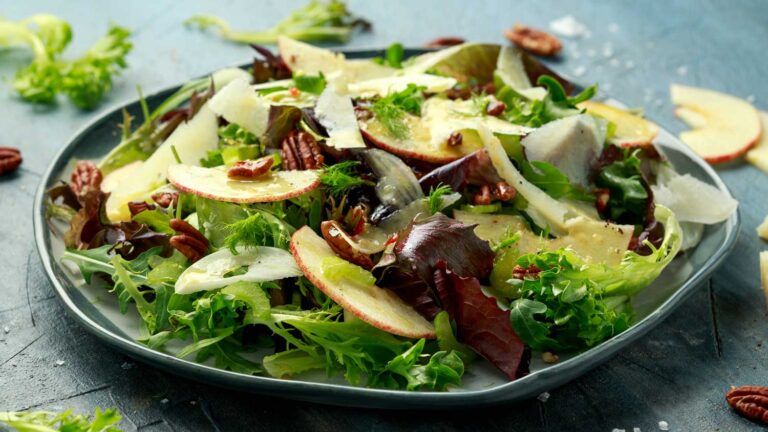
- Feed Yourself Well: When looking after a newborn, it’s hard to cook or eat full meals. Simple, healthy snacks you can grab, like fruit, nuts or yogurt, help keep your energy up. Lean on others to help if they can—those casseroles or prepped meals aren’t just kind gestures—they’re lifesavers.
- Accept Help Freely: Accepting help doesn’t mean you’re failing; it means letting people love and support you. Take others up on offers to bring food, run errands or just hold the baby while you rest or shower.
The Emotional Rollercoaster: From “Baby Blues” to Postpartum Depression
In the first days and weeks after birth, many moms feel weepy, irritable or anxious. This is often called the “baby blues” and is usually due to hormonal shifts and lack of sleep. But for some, these feelings don’t go away. If you feel sadness, hopelessness or numbness that lingers, it could be postpartum depression, which is more common than most of us realize.
- Know the Signs: PPD is more than just feeling sad. It can look like guilt, frustration or even a strange detachment from your baby. Sometimes, moms describe feeling like they’re on autopilot, unable to connect with others or themselves.
- It’s Not Your Fault: If you’re going through PPD, it doesn’t mean you’re a bad mom or that you don’t love your baby. PPD is a mental health condition often linked to hormone changes, sleep deprivation or personal history. The important thing to know? You’re not to blame, and there’s help.
- Getting Help Makes a Difference: Talking to a counselor, joining a support group or even exploring medication can make a huge difference. Talking to someone trusted—a friend, therapist or spiritual leader—can be the first step in lifting some of the weight. Talk to your obstetrician if you are experiencing these symptoms.
Bonding with Your Baby: It’s Okay If It’s Not “Instant”
For some moms, connecting with a newborn feels immediate. For others, it takes time—and that’s okay. The love you build day by day is real and lasting, even if it doesn’t feel picture-perfect.
- Small Moments Count: Notice the little things—how your baby’s hand holds onto yours, the soft sounds they make while sleeping. These little moments are the building blocks of connection, and they add up.
- Skin-to-Skin Time: Holding your baby close isn’t just comforting; it actually helps regulate both of your stress levels. Holding your baby during feeds or simply resting together in quiet moments strengthens the bond.
- Perfection Isn’t the Goal: Don’t feel pressured to “do it right.” Love comes in all kinds of ways and timelines, and it’s okay if your connection builds gradually. Many moms go through this, even if they don’t talk about it.
Taking Care of Your Mind and Heart
It’s hard to find time for yourself in the early weeks and months of being a new mom, but caring for your mental and emotional health is essential—not just for you but for your baby, too. Even small, simple acts of self-care can help renew your energy and strength.
- Talk It Out: Talking to someone, whether a friend, partner or therapist, can make a huge difference. Being open and honest about what you’re feeling can lighten the load and help you see you’re not alone.
- Find Small Moments for You: Even five minutes alone can be recharging. Try something simple, like a quick prayer, listening to a favorite song or taking a moment to stretch and breathe.
- Turn to Your Faith: Many moms find that leaning on their faith brings peace in challenging times. A quiet prayer, a moment of gratitude or reading something uplifting can help you reconnect to your purpose and find strength.
How to Support a Loved One Going Through PPD
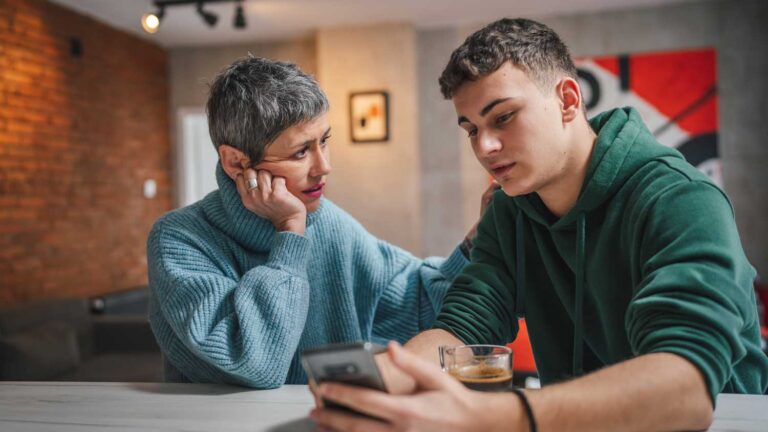
If you have a friend, sister or wife going through postpartum depression, it can be hard to know what to say or do. But your support can be incredibly meaningful.
- Listen, Don’t Judge: Let them talk openly and listen without judgment. Sometimes, they might just need to vent or share their fears. Being there to listen can be more helpful than you know.
- Offer Help Without Pushing: Offering specific help can make accepting it easier. Instead of saying, “Let me know if you need anything,” try, “Can I bring over a meal this week?” or “I’ll come by and watch the baby for an hour so you can rest.”
- Remind Them They’re Not Alone: Let them know that what they’re going through is normal and that it’s okay to feel however they feel. Offer to help them find support if they need it, whether that’s talking to a doctor or joining a support group.
- Be Patient and Present: PPD can be a long road, and your friend may need ongoing support. Being there, reaching out and keeping in touch regularly can mean the world.
Embracing This New Season of Life
The postpartum journey is different for every mom, but you don’t have to go it alone. Asking for help, letting others in and taking things day by day can make a difference. Remember, this season is a transition that takes time. The challenges you’re facing now won’t last forever, and there’s a community of moms—both near and far—who are here to walk it with you.
You’re not failing. You’re navigating one of the hardest seasons of life. There’s strength in sharing what you’re going through and getting the support you deserve. With time, love and support, you’ll find your way through. And through it all, God is with you, giving you the grace to keep going, even when the road feels long.
P.S. Don’t compare yourself to other moms on social media. We all know that it is not real life. You are beautiful, loved and doing great, mama.