

A History Rooted in Harvest
Pumpkins are native to North America and have been a staple food for thousands of years. Indigenous peoples used every part—flesh, seeds and blossoms—for both food and medicine. Over time, pumpkins became symbols of harvest, abundance and hospitality. Today, they still represent that same spirit: making the most of what we’re given and sharing it with others.
Packed With Goodness
Pumpkin isn’t just delicious—it’s incredibly nutritious. One cup of cooked pumpkin contains:
- More than 200 percent of your daily vitamin A needs, which supports vision and immune health
- A healthy dose of vitamin C, potassium and fiber, which supports immune function, heart health and digestion
- Antioxidants like beta-carotene, which may help protect against cancer and heart disease
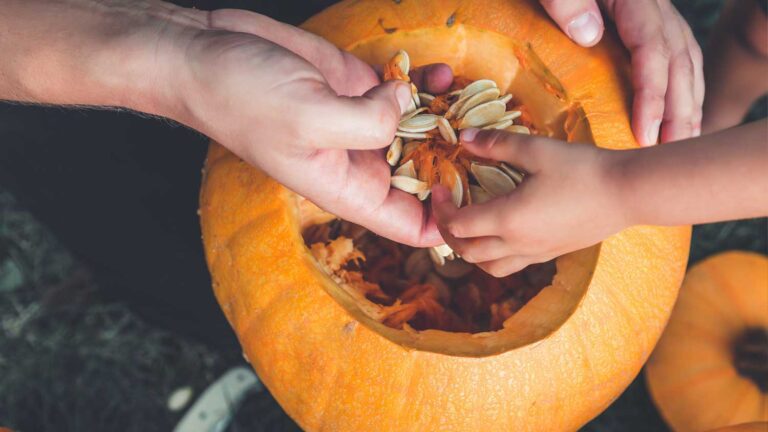
And pumpkin seeds? They’re little powerhouses packed with protein, magnesium and healthy fats. Roast them with olive oil and sea salt for a snack that satisfies and fuels.
Ways to Enjoy
Pumpkin is versatile and easy to incorporate into meals and snacks. Here are a few ways to savor the season:
- Stir pureed pumpkin into oatmeal or yogurt with cinnamon
- Add it to chili or curry for a creamy, vitamin-rich base
- Bake it into muffins, bread or pancakes for a hearty breakfast
- Blend it with broth, onion and garlic for a soothing fall soup
- Roast pumpkin cubes with olive oil and sage for a simple side dish
A Reflection for the Season
In many ways, pumpkin reminds us of God’s abundant provision. It starts small—a seed hidden in the earth—and with time, grows into something nourishing and generous. Just like faith. Just like the spiritual fruit we’re called to bear.
As you slice into that pumpkin or light a candle inside its hollowed-out shell, consider the inner work God is doing in you this season. What are you cultivating? What needs pruning? What are you preparing to share?