

Knowing the Difference Between Acute and Chronic Inflammation
- Acute inflammation is your body’s natural first-aid response to illness or injury. Think of a swollen ankle after a sprain or the redness and warmth around a healing cut. This temporary reaction helps protect and repair damaged tissue. Depending on the severity, it can last anywhere from a few hours to a few days before subsiding.
- Chronic inflammation, on the other hand, is when your body’s defense system stays on high alert, even when there’s no real threat. Instead of aiding healing, this ongoing response can start to cause harm, contributing to conditions like arthritis and heart disease. It can stick around for months or even years, sometimes improving, only to flare up again when you least expect it.
Power Up With Omega-3s
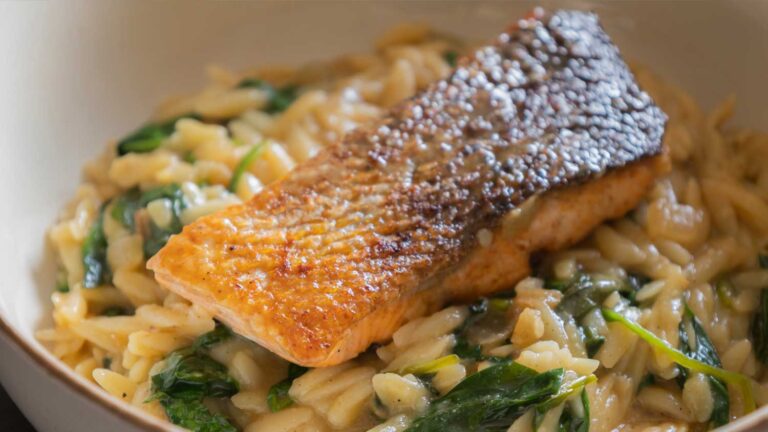
Your body thrives on healthy fats, especially omega-3s from fatty fish like salmon, sardines and mackerel. These powerhouse fats help balance out the omega-6s found in processed foods and vegetable oils, keeping inflammation in check. Plus, they’re great for brain health, because who hasn’t walked into the kitchen and forgotten why?
No Fish, No Problem: Walnuts, flaxseeds and chia seeds are great plant-based sources of omega-3s.
Say Yes to Spices
Who knew that your spice rack could double as a medicine cabinet? Turmeric, ginger, cinnamon and garlic are inflammation-fighting powerhouses. These spices are packed with antioxidants and compounds that help combat inflammation, boost immunity and even improve digestion. Plus, they make everything taste amazing!
Spice Hack: Add fresh ginger to smoothies or steep it in tea for a warming, anti-inflammatory kick.
Load Up on Colorful Fruits and Vegetables
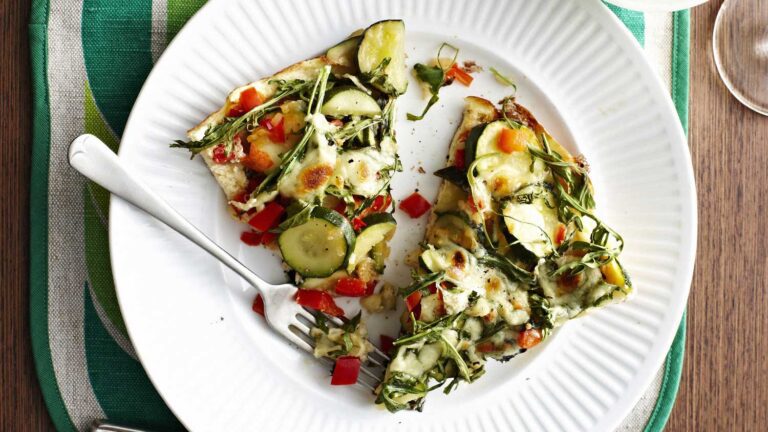
If your plate looks like a rainbow, you’re on the right track! Brightly colored fruits and veggies, like berries, oranges, spinach, bell peppers, carrots and kale, are packed with antioxidants, vitamins and fiber that help fight inflammation and keep your immune system strong. The more variety, the better!
Pro Tip: Roast veggies with a drizzle of olive oil and turmeric for an extra anti-inflammatory boost, or toss fresh berries into your morning yogurt for a sweet, nutrient-packed start to your day.
Whole Grains for the Win
Refined carbs (like white bread and pastries) can spike blood sugar and increase inflammation. But whole grains like quinoa, brown rice and oats? They’re packed with fiber, which helps lower inflammation and keeps your digestion on point while being low on sugar!
Try This: Swap white rice for brown rice or farro, enjoy oatmeal or barley instead of sugary cereals, and choose whole-grain bread over white bread.
Treat Your Gut With Probiotics
A happy gut equals a happy body! Fermented foods like yogurt, kimchi, sauerkraut and kefir are packed with probiotics that promote gut health and reduce inflammation. A well-balanced gut ecosystem can also improve digestion, boost immunity and even support your mood because no one likes being hungry and inflamed!
DIY Idea: Mix Greek yogurt with honey and berries for a gut-friendly, anti-inflammatory snack. For an extra crunch, top it with some flaxseeds or walnuts to add even more inflammation-fighting power.
At the end of the day, it’s all about balance. Eating anti-inflammatory foods doesn’t mean you can never enjoy a treat again—it just means making smarter, nourishing choices most of the time. Listen to your body, enjoy your meals and find what works for you!
If you’re looking for personalized guidance on managing inflammation through diet, exercise and lifestyle habits, a primary care provider can help. Schedule a visit here to discuss your health goals.
Sources: Piedmont, Cleveland Clinic